




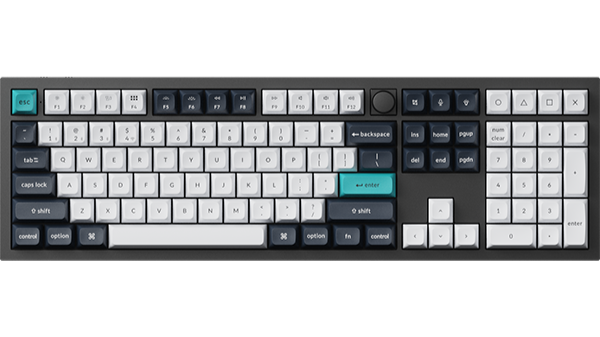
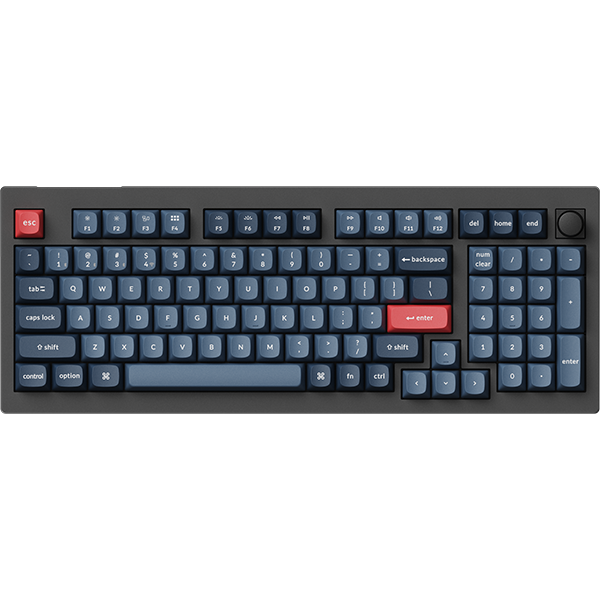
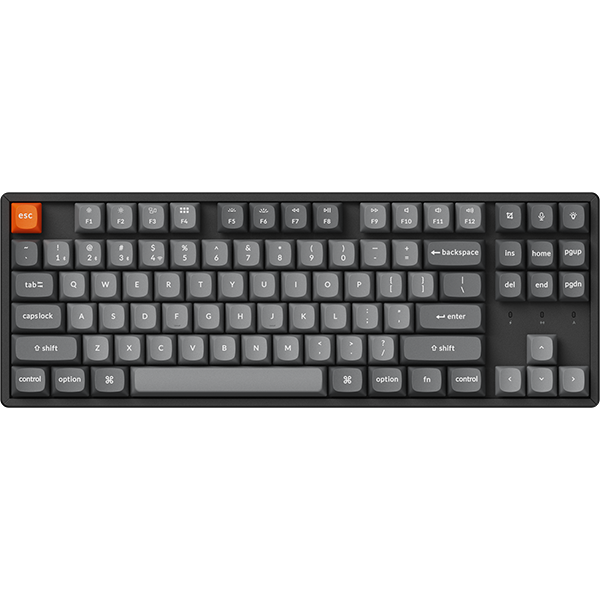

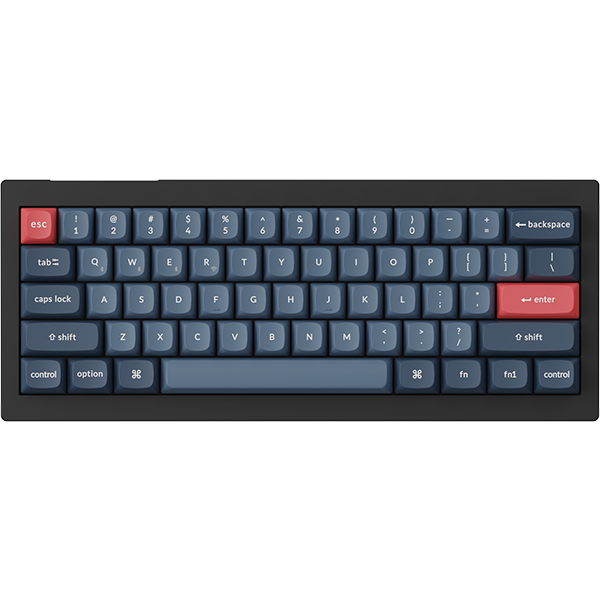


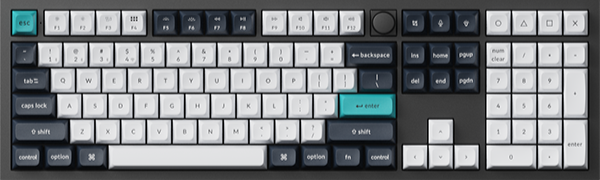
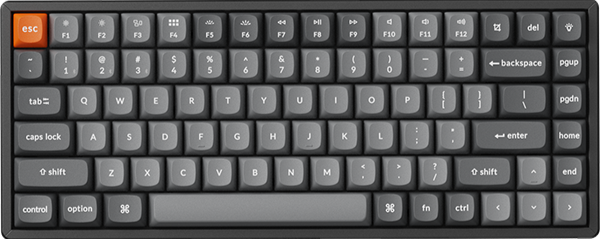
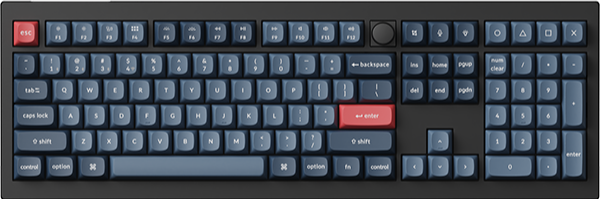
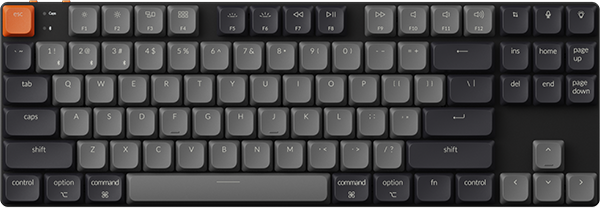
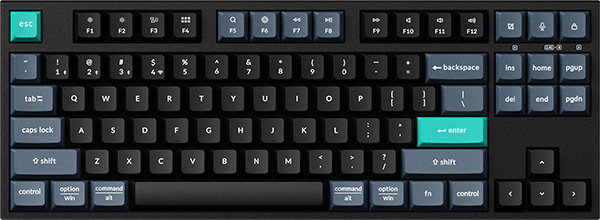
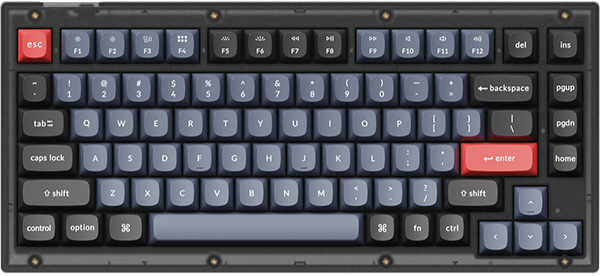
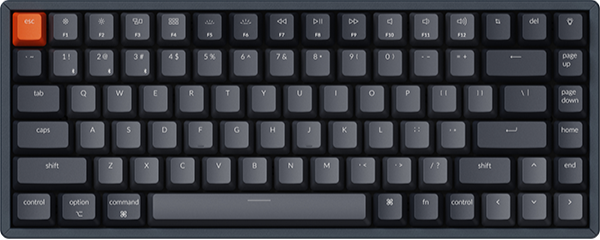
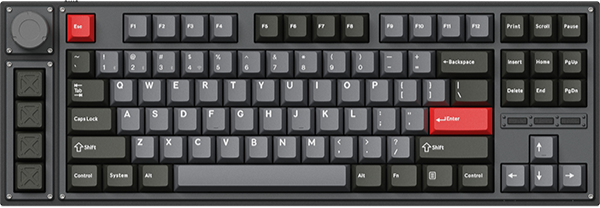






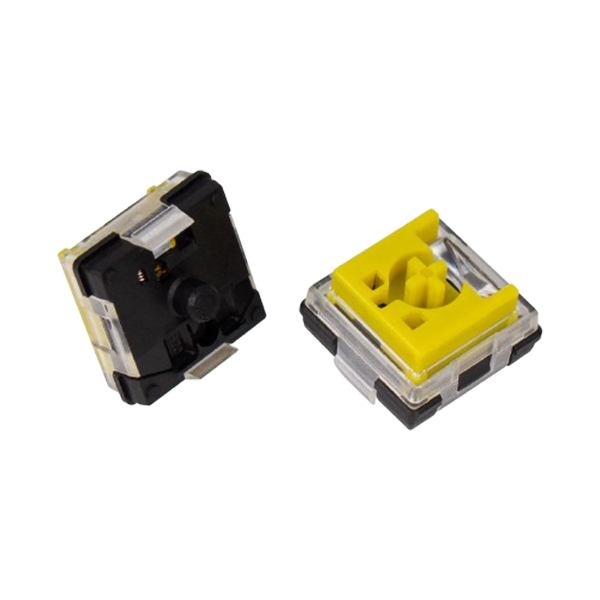
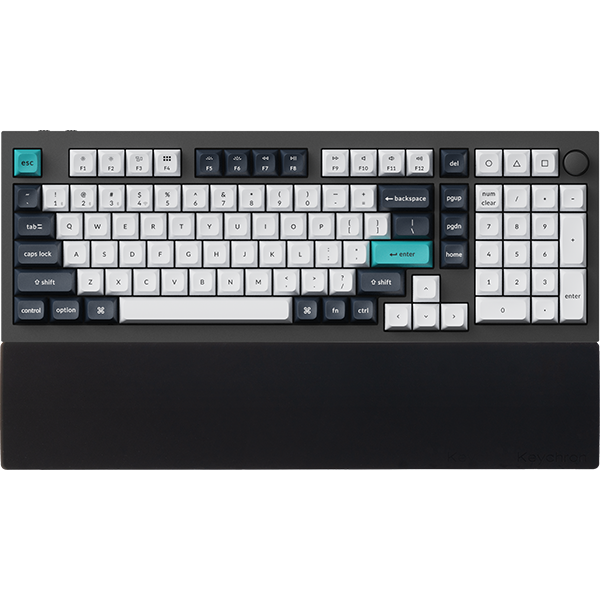

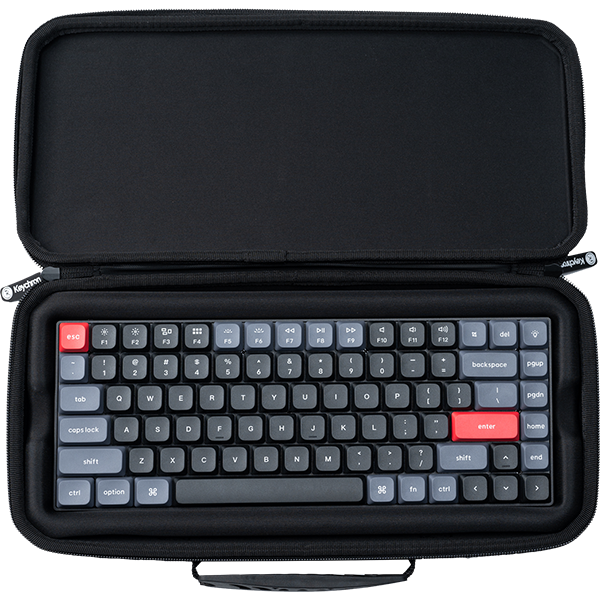









You have a set of switches or keycaps in your cart next to a board, and you have not hit buy. Good instinct. If the set does not fit, you are left with a return label and a board that still needs the part you wanted. Three questions decide it, and the first is the one people skip: if you own a K1, K3, K5 or K7 and the switches in your cart are not from the low-profile collection, they will not fit, and unless your board is a hot-swappable version they cannot be changed at all.
The three questions that decide it
Before you buy anything, answer these for the board you own or are buying alongside:
- Does my board take standard switches, low-profile switches, or magnetic switches, and if magnetic, which exact one?
- What keycap profile shipped on my board, and is my layout ANSI or ISO?
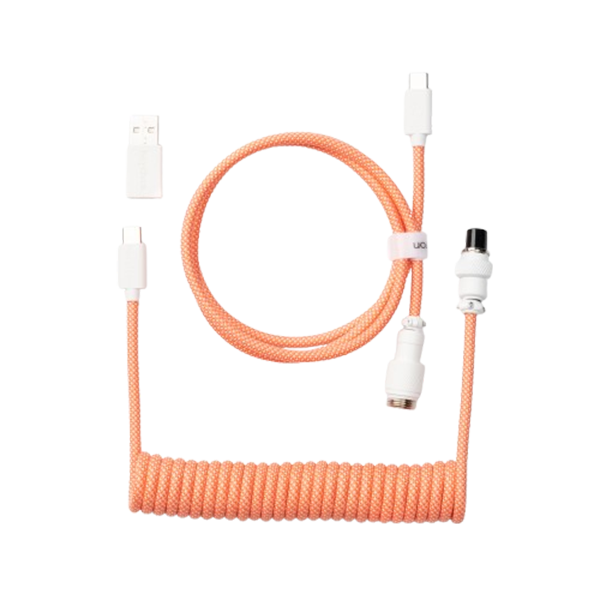
- Does my board need anything beyond a normal USB-C cable?
A few words you will meet on product pages: the stem is the plastic cross on top of a switch that a keycap clips onto; profile is the keycap's height and shape, and Keychron's standard profiles are OSA, KSA and Cherry while LSA is its low-profile one; 8K polling means the board reports to the computer 8000 times a second, which is a board feature and has nothing to do with which switches fit.
Switches: standard, low-profile, or magnetic
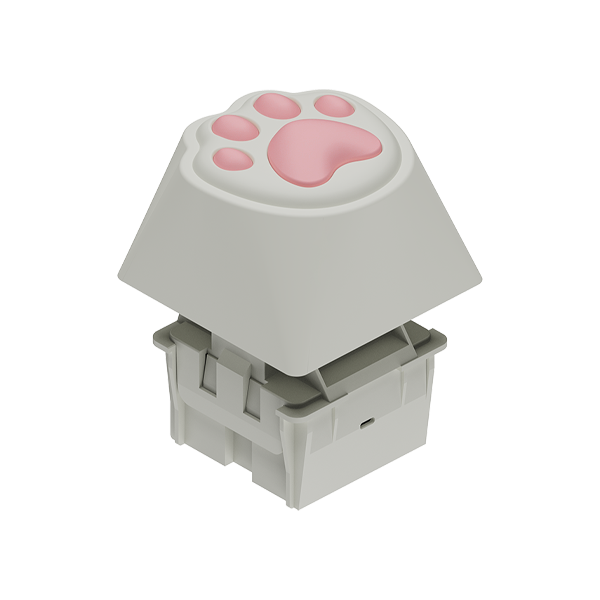
Some words first. "MX-style" is the standard switch shape and pin layout that most mechanical keyboards, including Keychron's Q, V, S, C and K Pro boards, are built around. "Hot-swap" means the board has sockets you push switches into, so you can change them without soldering. Switches come with 3 or 5 pins; the two extra pins on a 5-pin switch are for plate stability, not for electrical contact, and both kinds seat in the same socket. So on a standard hot-swappable Keychron board, most 3-pin and 5-pin MX switches will fit, including the standard MX switches in Keychron's own switch collection.
Two things break that rule.
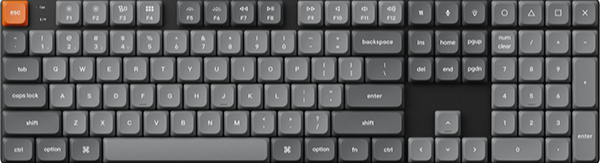
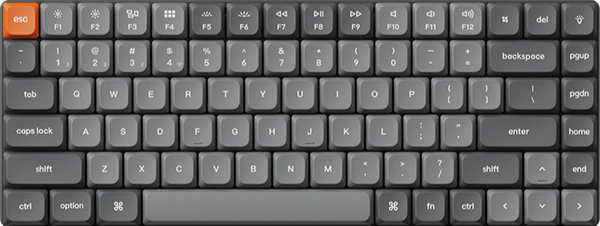
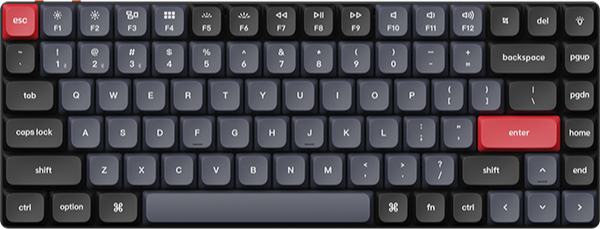
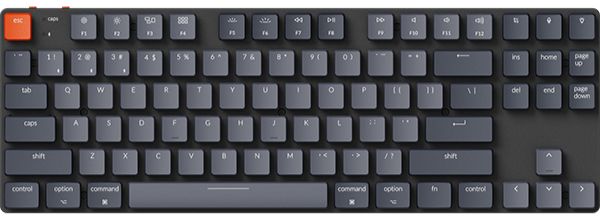
Low-profile boards need low-profile switches. Keychron's slim K boards, the K1, K3, K5, K7 and K13 lines, use switches with a shorter body and a different pin layout than standard MX, and those switches only work in keyboards built for them. Gateron makes both standard and low-profile switches, and only the low-profile ones fit. A standard-height Gateron or Cherry switch will not seat in a K3 Max socket, and a Keychron low-profile switch will not seat in a Q1. On the K3 Max, only the RGB Hot-Swappable version takes other switches (the version name is in the variant you chose on the product page and in your order), and it takes Gateron or Keychron low-profile mechanical switches, not low-profile optical ones, because QMK, the board's firmware, does not support low-profile optical switches. Switches that fit these boards are sold as "Low Profile" and live in the low-profile switch collection. The B series slim boards are different again: they use a scissor mechanism, like a laptop, and cannot be hot-swapped to any switch.
Magnetic switches are their own world. Magnetic, or Hall effect, boards read a magnet instead of a metal contact, and the switch list is specific to each board, so check your board's product page. The K10 HE ships in two versions: a Gateron Double-Rail (Nebula) version that only accepts Gateron Double-Rail magnetic switches, and a Keychron Ultra-fast Lime version that only accepts Keychron Ultra-fast Lime switches. Buy the wrong one for your K10 HE and it will not work, even though both are magnetic. The C3 HE goes further and accepts only the Ultra-fast Lime switch, no other switch, magnetic or mechanical. If you own an HE board, read the switch section on its own product page before ordering spares, and do not assume one HE model's switch list applies to another.

Keycaps: profile, stem, and the ISO gap
Keycaps fail for two separate reasons, and buyers usually check only one of them.
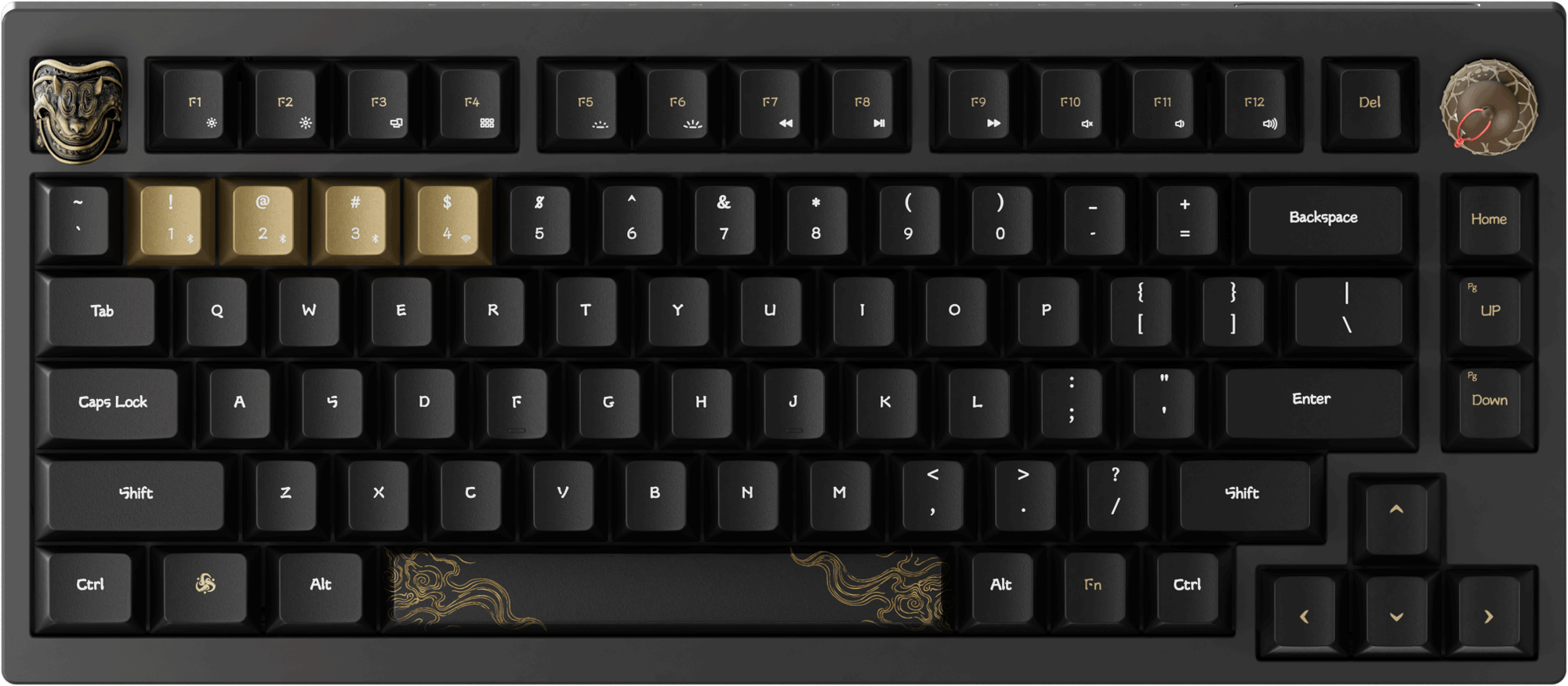
The first is height, which keycap makers call profile. Standard Keychron boards (Q, V, S, C, K Pro) use MX-compatible switches, so most aftermarket keycap sets fit them. Low-profile boards break this. Their switches are shorter, so low-profile keycaps are made for them (the K3 Max ships with LSA, low-profile spherical-angled, keycaps), and a standard set does not sit right on a low-profile board. The reverse is also out: Keychron does not recommend LSA caps on standard switches, because the feel is off and keys can interfere with each other.
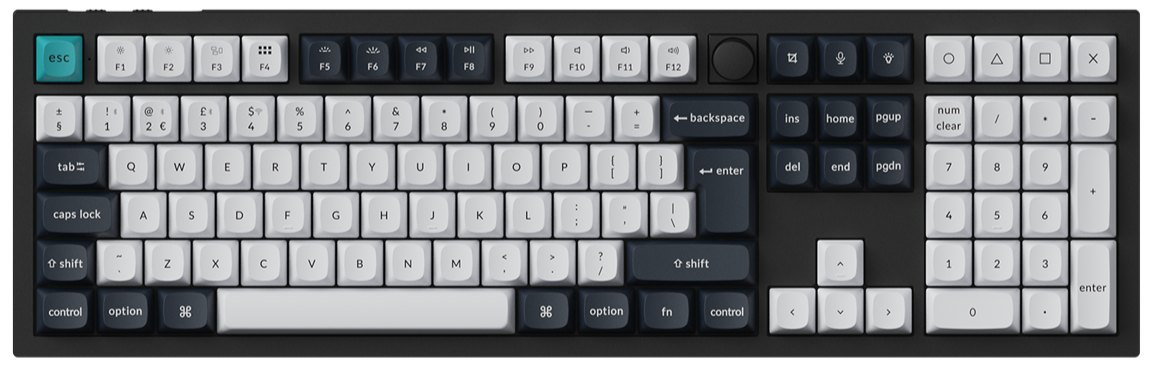
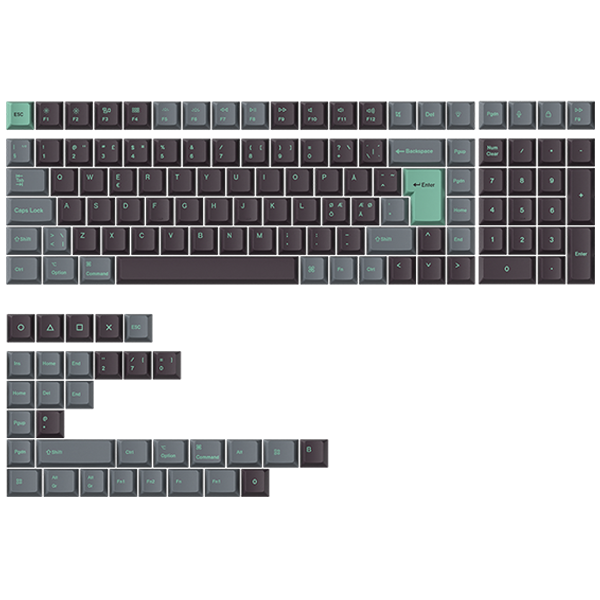
The second is layout, and this is where an ANSI set silently fails an ISO buyer. ISO boards have a taller Enter key, a narrower left Shift, and one extra key next to that Shift which ANSI layouts do not have. An ANSI keycap set is missing that extra key and has the wrong-shaped Enter and Shift caps, so it leaves gaps no matter how well the colors match. Keychron sells ISO sets by country layout (DE-ISO, UK-ISO, Nordic-ISO, Swiss-ISO, French-ISO, Spanish-ISO) as separate listings in the keycap collection, and keycap set pages carry a per-model compatibility list. Check that list first.
Cables, briefly
If a cable is in the same cart: Keychron's own 8K-labeled coiled aviator cable is listed as compatible with all USB-C keyboards, including boards that are not 8K, so any of them fits any board. Buy the one you like the look of.
Compatibility table by board family
| Board family | Switch type it accepts | Keycap profile | Notes |
|---|---|---|---|
| Q / V / S / C / K Pro and Q / V / K Ultra (standard height, hot-swap models) | Standard MX, most 3-pin and 5-pin | Standard, MX stem | Widest keycap compatibility; check the ANSI vs ISO listing |
| K10 HE | Magnetic: Double-Rail Nebula version or Ultra-fast Lime version, not cross-compatible | Check the product page | Choose the version on the product page |
| C3 HE | Keychron Ultra-fast Lime only | Check the product page | No other switch fits, magnetic or mechanical |
| Low-profile K1 / K3 / K5 / K7 / K13 | Low-profile switches only | Keycaps made for the low-profile stem (K3 Max: LSA) | Standard switches and standard keycaps do not fit; on the K3 Max only the RGB Hot-Swappable version swaps at all |
| B series | Scissor mechanism | Fixed ABS | Not hot-swappable at all |
Which one should you get
First-time switch swapper on a standard-height board like the Q1 or K2 Pro: the easiest position to be in. Confirm your board is not an HE model, then buy most 3-pin or 5-pin hot-swap MX switches with the feel you want. Skip low-profile and magnetic listings.
K3 Max owner with standard switches or standard keycaps in the cart: take them out. If your variant is not RGB Hot-Swappable, the switches are fixed and only the keycaps can change. If you have the RGB Hot-Swappable version, your board needs switches from the low-profile collection, specifically Gateron or Keychron low-profile mechanical, and keycaps labeled LSA or low profile. Nothing in a standard listing will work.
ISO-DE (or other non-US) owner buying keycaps: skip every ANSI set, even the discounted ones. Look for your country's ISO listing in the keycap collection, or check the compatibility list on the set's page. The Enter key shape alone tells you whether a set is wrong for your board.
HE owner who wants a different feel: check your model's page first. Note whether it says Double-Rail, Nebula, or Ultra-fast Lime, and buy only that exact switch. Two HE boards on the same shelf can need two different switches.

FAQ
How do I tell if the switches in my cart are low profile? They are listed in the low-profile switch collection and carry "Low Profile" in the product name. If they are not in that collection, do not assume they fit.
Can I put a 5-pin switch in a 3-pin hot-swap socket? Yes, on standard MX hot-swap boards. The extra two pins are for plate stability and seat in the same socket used for 3-pin switches.
Is my board ISO or ANSI? Look at the Enter key. A tall Enter that spans two rows, with a narrow left Shift, is ISO. A wide single-row Enter is ANSI. The product title of your board also says ISO if it is one.

