























A conventional mouse click needs an activation, a release, and a reset before the next click. Rapid Trigger changes when the reset happens: it rearms a compatible button from its current return position rather than waiting for a fixed release point.
That definition matters because button behavior and aiming are different parts of an FPS shot. Rapid Trigger addresses what happens between two presses of the same button. It doesn't make the sensor read mouse movement differently, and it doesn't guarantee a fixed reduction in end-to-end input latency.
Why a Conventional Button Waits for a Fixed Reset
A conventional mouse switch has two states: pressed and released. When you press, it reports that the button is down once you pass the trigger position. When you let go, it reports a release only when the button has moved all the way back to its fixed reset position, and the next click is accepted after that release is processed.
That is enough for a single click. The switch doesn't need to know where the button sits between those two points. It only needs a clear answer on whether the button is up or down, and the fixed release point gives it a dependable place to change that answer.
With rapid clicks, the same rule becomes a return requirement. Every press has to come back to the release point before the next one counts.
The Reset Path, Step by Step
Press: The button reaches the trigger position and a click event is sent.
Release: The finger starts lifting. At this moment the switch isn't instantly ready for another click; it must recognize that the first press has ended.
Reset: In a conventional switch, this means reaching the fixed release position. Rapid Trigger instead checks movement away from the pressed position: once that movement satisfies the configured release condition, the button is rearmed.
Next press: The next click can begin when the button is ready. With Rapid Trigger, the finger doesn't need to complete the same fixed-point return journey before that next press.

The diagram concerns one button. It shows the trigger position, the start of the return, the fixed reset position of a conventional design, and the earlier rearmed position possible with a position-based reset. Product-specific settings determine the actual values.
Why Magnetic Mouse Buttons Can Rearm Earlier
Rapid Trigger can rearm a button earlier because it measures the return by distance rather than waiting for one fixed point.
A conventional mouse switch mainly exposes two states: pressed and released. The release registers when the button passes a set position on the way up. Until it gets there, a second press won't register.
A magnetic switch is different. A sensor tracks the button's position as it moves, so the system can measure how far it has traveled back from the press. Once that return movement meets the Rapid Trigger setting, the button can be rearmed.
That's what magnetic sensing makes possible, and it's why Rapid Trigger isn't a software toggle you can add to every mouse. It needs continuous position data from a compatible switch.
On a supported mouse, this changes the mechanical distance between one click and the next. After the first press, the finger no longer has to complete the full return trip to a fixed release point. It can start the next press once the button has rearmed.
The result isn't faster movement across the mousepad. The next click still has to travel down to its actuation point, and the rest of the input path still has to deliver it. What changes is how soon the button can accept the next click.
What a Dynamic Reset Changes in the Click Cycle
It changes release, not activation. A fixed reset is tied to a physical location; Rapid Trigger is tied to configured return movement.
It moves the next starting point. The next finger movement begins from wherever the button is when it rearms, rather than only after a complete fixed-point return.
It changes the feeling of repeated clicks. A shorter return condition can make the second click feel more continuous. The same behavior can also be less forgiving if the button resets before the player intended to fire again.
It targets one stage of the input chain. Button reset is separate from sensor tracking, polling, connection, processing, display, and application handling.
Trigger Point and Reset Position Are Different
Lowering the actuation point makes the first click register sooner on the way down. Rapid Trigger changes when the next click becomes available on the way up. They are related settings, but they sit at different points in the click cycle, so changing one will not explain the other.
Why Rapid Trigger Needs Continuous Position Data
A fixed reset only has to recognize a known release position. A position-based reset has to observe how far the button has moved after the press, so the system needs to know where the button is. A magnetic switch can report that position as the button travels, and compatible firmware applies the rearm rule. The sensor alone doesn't deliver the feature: the switch, the sensing system, the firmware, and the setting together decide whether Rapid Trigger is available and how it behaves.
For a fuller Hall Effect explanation, see Hall Effect Mouse Explained. For MagOptic background, see Optical vs MagOptic.
Rapid Trigger on Keychron G6 HE
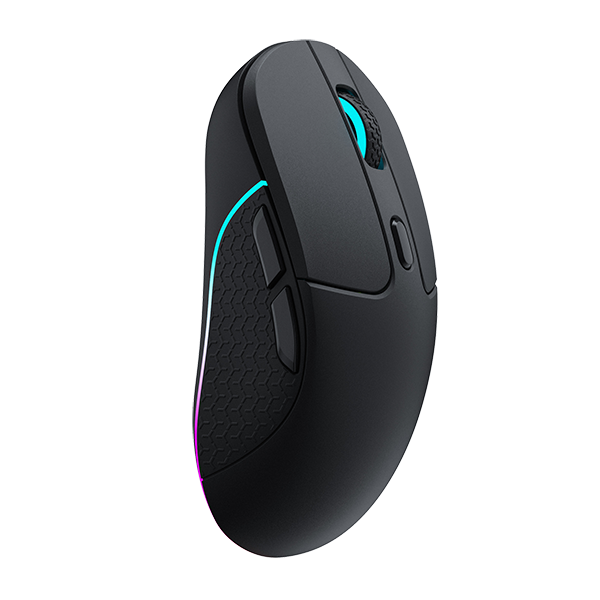
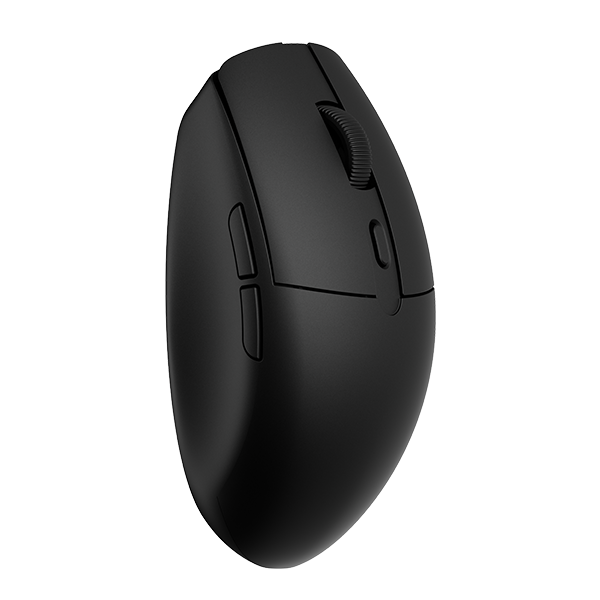
The Keychron G6 HE UltraLight supports Rapid Trigger in Magnetic Mode through its MagOptic buttons. It shows the mechanism in a product: a position-based reset changes how soon the second press can begin. See the G6 HE Launcher guide for setup.
Frequently Asked Questions
Does Rapid Trigger guarantee a faster mouse?
No. It changes the reset part of the button cycle. The next click still needs a downward movement, and the sensor, polling rate, processing, game, and display remain part of the total response.
Can a conventional switch without continuous position sensing reset the same way?
No. A switch with only pressed and released states cannot tell where it is on the way back or how far it has returned, and an early rearm depends on that distance. A magnetic mouse can measure it, which is why the same Rapid Trigger behavior isn't available on every mechanical click.
The Short Verdict
A conventional mouse button waits for a fixed release position before it is ready again. Rapid Trigger observes the return movement and can rearm the button earlier, so the next click doesn't need the same fixed-point travel. It changes the start of the next press, not the aim, the game, or the whole input path.